
Technical means

A HSM :

  •  5 plateaux techniques et laboratoires
  • 4 logiciels
  • 3 bases de données
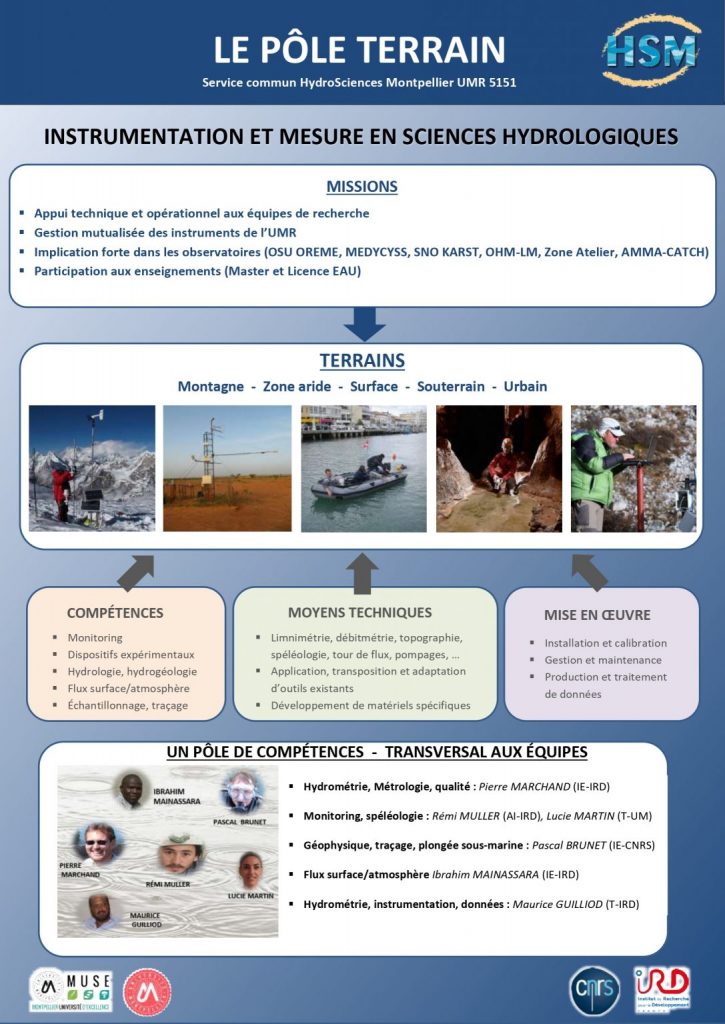
  • 1 pôle terrain

Technical Platforms

Petrophysics Laboratory

Référent scientifique : Pascal Brunet

Le laboratoire de pétrophysique  comprend un appareil de type Poroperm qui permet de mesurer la porosité et la taille de grains d’échantillons de roches.

Pour les traçages artificiels le laboratoire dispose de 6 fluorimétres de terrain type GGun, dont un adapté au suivi de la matière organique, traceur naturel d’intérêt dans les aquifères.

ABIHS Technical Platform

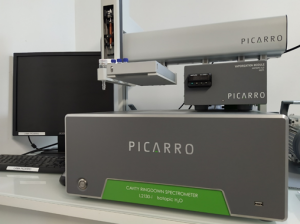
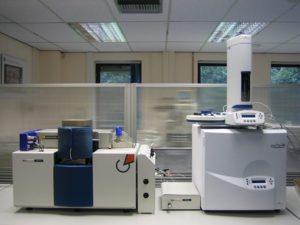
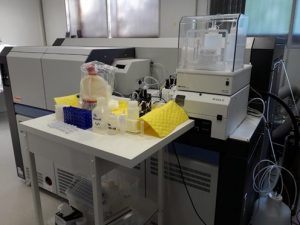
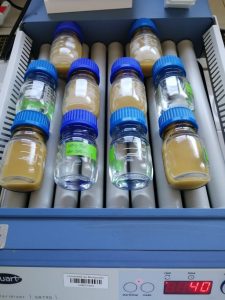
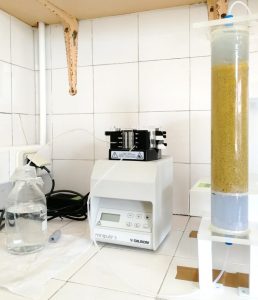
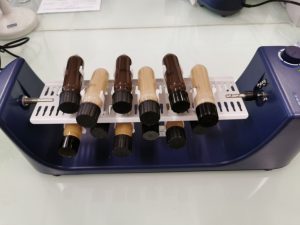
The Biogeochemical and Isotopic Analysis platform brings together equipment used to characterize hydrosystems in terms of their chemical and isotopic composition, as well as their microbial communities. The platform includes facilities for the preparation of environmental and biological samples—such as dilution, evaporation, mineralization, isotopic separation, and DNA/RNA extraction—along with state-of-the-art analytical instrumentation (including ICP-MS, IRMS, and HPLC).

This technical platform consists of 6 units, each with its own specialized equipment :
– Clean Rooms and Sample Preparation (technical manager : M. Marie ; scientific manager : E. Resongles)
– Elemental and Isotopic Geochemistry and Speciation (technical manager : R. Freydier ; scientific manager : C. Casiot)
– Stable Isotopes (C, H, O, N, S) (technical manager : N. Patris ; scientific manager : J.D. Taupin)
– Hydrochemistry (technical manager : S. Delpoux; scientific manager : C. Montigny)
– Environmental Microbiology (technical manage r: A. Desoeuvre ; scientific managers : O. Bruneel, M. Hery)
– Sample Collection, Storage, and Archiving (technical manager : A. Domeau; scientific manager : C. Guilhe-Batiot)

Beyond providing additional data for the biogeochemical and isotopic characterization of hydrosystems (including water, sediments, soils, and microorganisms), this consolidation of equipment serves to foster interaction between technical staff and researchers involved in analyses within the fields of geosciences and microbiology. It also aims to facilitate scientific engagement at HSM centered on tools for the geochemical and microbiological characterization of hydrosystems—supporting research projects focused on water resources and the biogeochemical cycling of metallic contaminants in anthropized environments (such as ports and mining sites).

Mi2H Platform


Human and Water Microbiology

Technical Lead : Fabien AUJOULAT (AI, UM)

Scientific Leads : Estelle JUMAS-BILAK (Associate Professor/Hospital Practitioner, University of Montpellier) and Patricia LICZNAR FAJARDO (Associate Professor, University of Montpellier)

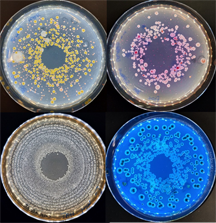
Mi2H is a microbiology platform within the UMR5151 HydroSciences Montpellier research unit. It is located at the Faculty of Pharmacy (UFR de Pharmacie), 15 Av. Charles Flahault, 34000 Montpellier. The platform conducts microbiological analyses—including culture-based, genetic, and genomic methods—as well as characterization studies focused on sensitivity or resistance to antimicrobial agents and processes. Beyond the technical execution of these analyses, Mi2H possesses expertise in environmental microbiology—with a particular emphasis on water-related contexts, healthcare settings, human-altered or artificial environments, and buildings—as well as in antibiotic resistance and the detection of human pathogens in the environment.

The expertise and technical skills of the laboratory staff relate to :

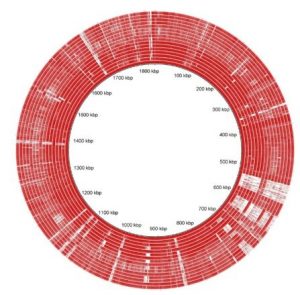
  • the study of the genetic and genomic diversity of pathogen populations : MLST (multilocus sequence typing), PFGE (pulsed-field gel electrophoresis), multiplex rep-PCR, comparative genomic analyses, etc...
  • determination of abundances : MPN via PCR and culture, 16S qPCR
  • bacterial phylogeny and taxonomy : reconstruction of phylogenies, determination of genomic and phenotypic taxonomic characters
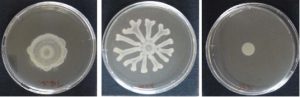
  • Bacterial adaptation and pathogenesis : in vitro fitness studies, investigation of biofilm formation, characterization of bacterial motility, study of quorum sensing, pathogenesis assays using Caenorhabditis elegans and cell-based models, identification of genes of interest via PCR, etc...
  • analysis of human and environmental communities using PCR-TTGE and culturomics
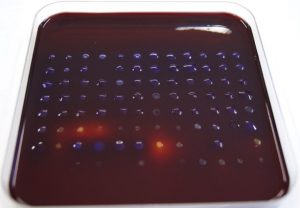
  • study of resistance : cultures on selective media, antibiograms, biocidograms, determination of MICs (minimum inhibitory concentrations) and community MICs, determination of bactericidal kinetics, and screening for integrons and mobile genetic elements
  • les contrôles microbiologiques : contrôle de stérilité, contrôle de charge bactérienne, contrôle d’efficacité de conservateurs et des produits antimicrobiens, analyses microbiologiques de potabilité de l’eau (non accrédité)
  • environmental epidemiology analyses


Analytical, technical, and biological equipment/facilities :

  • Analytical, technical, and biological equipment/facilities :
  • Autoclave
  • Automated culture medium preparation system
  • Thermocycleurs (Biometra®, TC-312®, Mastercycler®)
  • Horizontal electrophoresis tanks, denaturing gradient (D-code®), pulsed-field (CHEF DR®)
  • UV plate, imaging system
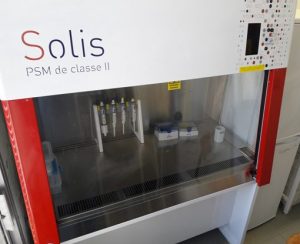
  • Microbiological Safety Cabinets (MSCs)
  • Ovens, stirrers, incubators
  • Centrifuges
  • Freezers -80°C
  • Interscience® spiral plater, Mic-2000® automatic inoculator
  • Microscopes (optical, fluorescence, inverted), magnifiers
  • Spectrophotometer (UV (Biophotometer®), visible)
  • Collection of over 14,000 environmental and human microorganisms; collections of over 3,000 environmental and human microbial communities (culturable communities + DNA)
  • Bioinformatics workbench for bacterial genome analysis

Service offering :

  • Microbiological control of non-sterile products
  • Genetic analysis (molecular typing via multiplex rep-PCR or gene detection)
  • Molecular typing by macro-restriction and pulsed-field gel electrophoresis
  • Microbiological environmental monitoring (enumeration and detection of specific microorganisms)
  • Antibiograms, determination of MIC and MBC, screening for antibacterial activities
  • Viral RNA extraction from wastewater + dPCR quantification of SARS-CoV-2 (2 genes)

ContEm Technical Platform (Emerging Contaminants)

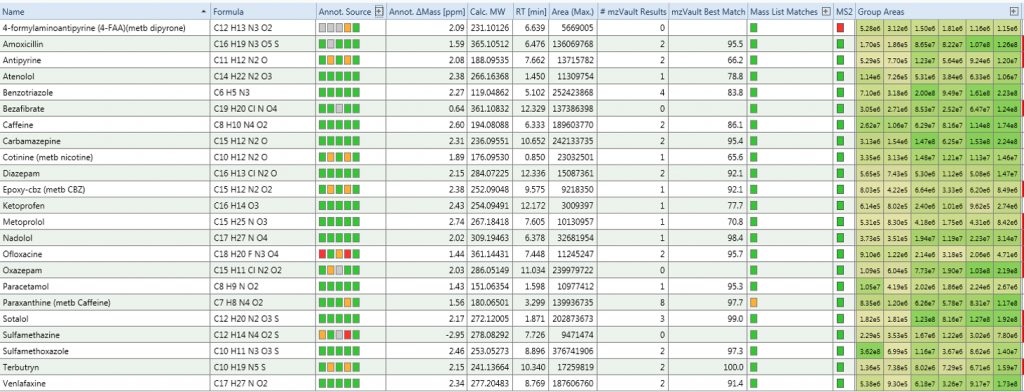
The ContEm platform is part of the Emerging Contaminants team (Scientific Lead: E. Gomez; Technical Lead: D. Rosain). The ContEm platform has experience in measuring trace-level contaminants within complex matrices.

Sample preparation and measurement of emerging contaminants in complex matrices

  • The matrices collected are environmental matrices (water, sediments, soils) or biological matrices (tissues or biological fluids).
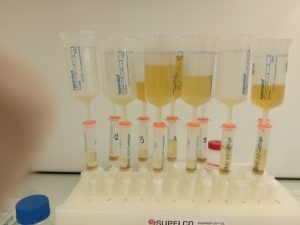
  • We bring our experience to bear in developing sample preparation methods—such as grinding, solid-liquid or liquid-liquid extraction, and solid-phase purification—tailored to the compounds being analyzed.
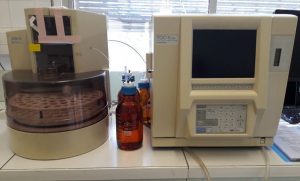
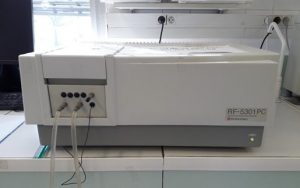
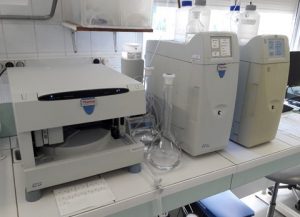
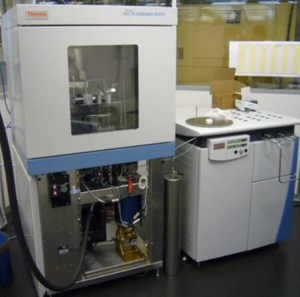
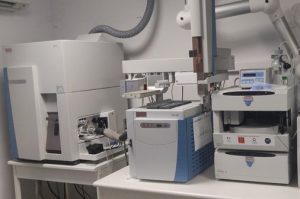
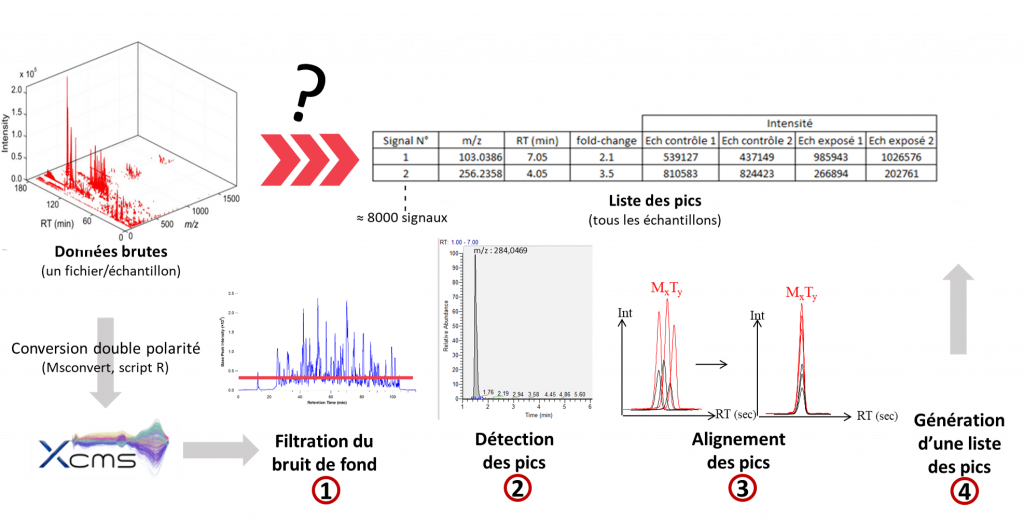
  • Quantification is performed using HPLC-UV or fluorimetry, liquid chromatography coupled with high-resolution mass spectrometry (LC-Exactive), or gas chromatography coupled with tandem mass spectrometry (GC-TSQ), depending on the physicochemical properties of the compounds to be quantified and their concentration within environmental matrices.

PONTEM

Responsables : Elena Gomez
Frédérique Courant

The PONTEM facility is one of four units within the MAMMA (Montpellier Alliance for Metabolomics and Metabolite Analysis) platform, providing access to state-of-the-art analytical technologies for the study of metabolism. PONTEM supports you throughout the entire implementation of a metabolomics approach—from experimental design to data interpretation. Our primary research focus concerns aquatic organisms and their responses to anthropogenic pressures; however, we can readily adapt our approach to address other research questions that require the use of metabolomics.

Sample preparation and measurement

  • The interpretation of data from an untargeted metabolomic analysis depends on the quality and quantity of the data generated. We are available to discuss the experimental design (number of samples, collection, storage, etc.) in advance, ensuring it is tailored to best address your research questions.
  • The biological matrices collected may consist of tissues or biological fluids. Sample preparation is kept as non-specific as possible to maximize the chances of detecting the widest range of metabolites, without any a priori assumptions. Nevertheless, the process is geared toward the measurement of polar to semi-polar compounds.
  • The impression is taken by liquid chromatography coupled with high-resolution mass spectrometry (LC-q-Exactive). Additional MS/MS experiments may be considered to confirm the identity of the markers.

Software

SW2D

SW2D (short for Shallow Water 2D) is a software platform designed for the simulation of free-surface flows. It incorporates various flow models—including porosity-based models—in a modular fashion, enabling large-scale flood simulations in both natural and urban environments. The platform also accounts for processes such as precipitation, infiltration, and the influence of wind. Developed entirely by HSM between 2003 and 2019, the software has been the subject of a joint development initiative with Inria since 2019. The outcome of this collaboration, known as SW2D-Lemon, was released in 2021 under three types of licenses: educational, research, and industrial.

Website: https://sw2d.inria.fr/


ATHYS

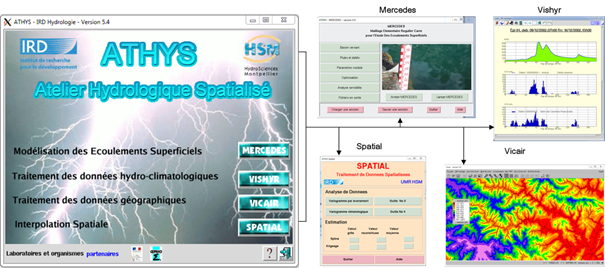
The Spatialized Hydrological Workshop (ATHYS) aims to bring together, within a user-friendly and consistent environment, a collection of hydrological models alongside tools for processing hydro-climatic and geographical data. It was developed at the IRD for a variety of applications, including water resource management, the forecasting of extreme events, and impact studies related to anthropogenic or climatic changes.

ATHYS consists of 4 modules :

  • MERCEDES : spatialized modeling platform
  • VISHYR : processing of station-based hydro-climatic data
  • VICAIR : processing of spatialized geographic data
  • SPATIAL : spatial interpolation platform
Contacts :

Christophe Bouvier : christophe.bouvier@umontpellier.fr
Anne Crespy : anne.crespy@umontpellier.fr                                                                                                                                                                       Nanée Chahinian : nanee.chahinian@ird.fr

Download ATHYS here


KARSTMOD

Global rainfall-water level-discharge modeling platform developed within a collaborative framework by SNO KARST.

This modeling platform, adapted for a karst basin, provides a set of features that allow for the assessment of the dynamics of the components included in the model, as well as the validity of the modeling results.

Learn more HERE

HSM Contacts :

Vincent Guinot, Hervé Jourde

Databases

SIEREM

The HydroSciences Montpellier laboratory (HSM) has developed an information system (SIEREM) for the whole of Africa which contains several types of environmental variables. It is the largest Environmental Information System on the African continent with 13,000 measuring stations, 33,000 time series, or more than 117 million records, for the period 1837 to 2015. The hydro-climatological data are coupled with spatial data: 201 watershed contours, 2,962 rivers. The recovery of hydrological archives made it possible to enrich SIEREM.More than 1342 photos have been collected in 391 geo-referenced albums. The SIEREM site allows free access to all this information with the exception of raw measurement data which is the property of African national services.

FOR MORE INFORMATION: Visit the SIEREM website

ADHI_LogoAdhi.PNG

ADHI : African Database of Hydrometric Indices

This database contains various hydrometric indices—describing runoff characteristics, seasonality, floods, and low-flow periods—for approximately 1,500 rivers across all regions of Africa between 1950 and 2018. (2020-08-10)


60 years of monthly rainfall in Africa – 1940–1999 period

 HydroSciences Montpellier inherited a substantial hydroclimatic database for West and Central Africa from the IRD hydrology laboratory. Through various research programs, hydrologists at HSM have expanded this database to cover the period from 1980 onwards and the entire African continent. Extensive critical analysis has made it possible to establish a reference database for monthly rainfall across Africa. Due to the scarcity and high heterogeneity of data from the early 20th century, the gridded datasets were calculated for the period from 1940 to 1999 (720 months).


Provided below for free download are the gridded datasets (one file per decade, containing 120 grids per file), calculated based on data observed at weather stations. The method used is Inverse Distance Weighting; the temporal resolution is monthly, and the spatial resolution is a half-degree square grid.
Each .zip file contains a .pdf document detailing the methodology used to create the grids, along with a description of the file contents.

In ASCIIGrid format, by decade :

Downloading this data is free of charge; however, we ask that you cite the following article as a reference :
Dieulin C., Mahé G., Paturel J-E., Ejjiyar S., Tramblay Y., Rouché N., El Mansouri B. (2019). A new 60-year 1940/1999 monthly-gridded rainfall data set for Africa. Water 2019, 11(2), 387; doi:10.3390/w11020387

In NetCDF format, with a .pdf file detailing the file's metadata.
 

Pole Terrain

PHP Code Snippets Powered By : XYZScripts.com
Scroll to Top