
Ongoing Projects

The STARWARS project
— AI-driven management of heterogeneous data in stormwater and wastewater networks — brings together specialists in artificial intelligence and water sciences to address the challenge of managing heterogeneous data from urban water networks. The objective is to collect and supplement data, model uncertain information, fuse data from various sources, and enable querying as well as the explainability of algorithms. Learning methods are enhanced by domain-specific knowledge and reasoning mechanisms.
Consortium: CRIL (led by Salem Benferhat), HSM (France), University of Cape Town (South Africa), CNR Pisa (Italy), USMBA Fez (Morocco), and Can Tho University (Vietnam).
HSM Team: Nanée Chahinian, Serge Conrad, Stéphane Debard, Carole Delenne, Batoul Haydar
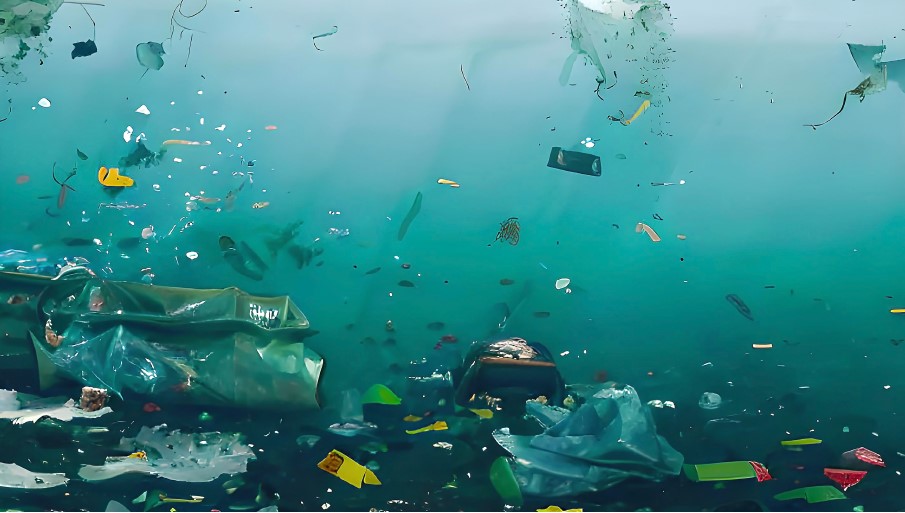
The ANR POLADAPT project, led by Emilie Farcy (UMR MARBEC) and funded by the ANR PRC, aims to understand the local adaptation to cocktails of pollutants in an invasive aquatic vertebrate and their implications for ecosystem health. The ContEm team, including Elena Gomez, Geoffroy Duporté and Andrés Sauvêtre, will study the diversity and extent of organic contamination and the bioaccumulation of contaminants by developing the characterization of the aquatic chemical exposome. HSM will focus on measuring emerging contaminants in the region's rivers using passive POCIS sensors and analyze gambusia tissues, using a non-targeted analytical methodology to describe differences in exposure.
ANR ANTIMONY Project
coordinated by the LSCE, with the PEnSTer team acting as lead for the antimony isotope component – PEnSTer team
ANR WECARE Project
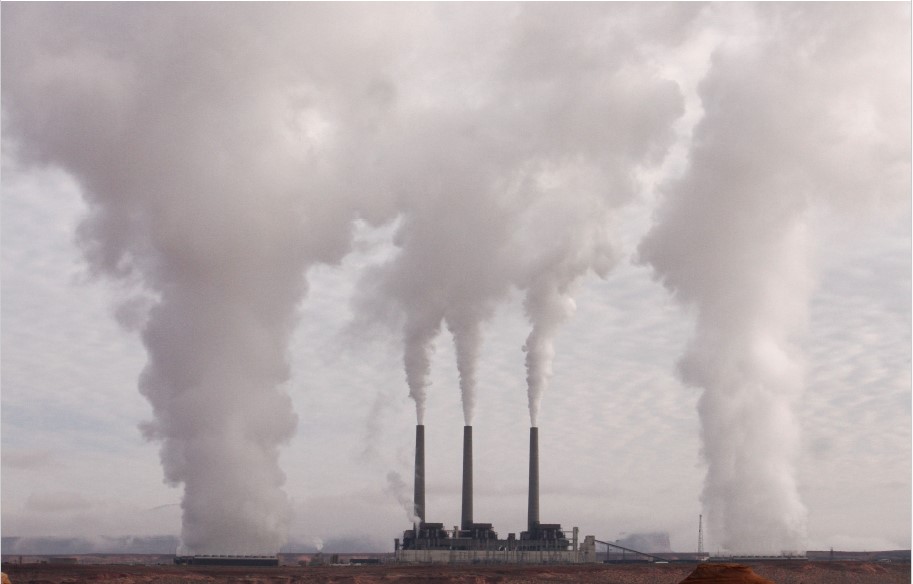
Geoffroy Duporté (from the ContEm team) was awarded an ANR JC (Young Researcher) grant in the 2023 call for proposals, under scientific committee CE01, "Solid Earth and Fluid Envelopes." The project is titled: "Wastewater treatment plants: an active source of Emerging Contaminants into the Atmosphere." It aims to assess the emission of emerging contaminants present in water into the atmosphere. For this study, the focus was placed on two major activities that facilitate this water-to-atmosphere transfer: aeration basins at wastewater treatment plants, and the beneficial use of sludge through land application—a practice employed as a sustainable alternative to chemical fertilizers. The results of the project will provide new insights into these sources of atmospheric pollutants— both gaseous and particulate— sampling and analysis methodologies, experimental laboratory approaches, and field measurements

PEPR PC4 OWMS Project
HydroSciences is a partner in Targeted Project 4, “ One Water, Multiple Sources ,” part of the Priority Research Program and Equipment (PEPR) “One Water.” This targeted project, coordinated by the University of Rennes—with the University of Montpellier, BRGM, INRAE, the University of Bordeaux, and the CNRS as partners—is dedicated to defining a comprehensive water footprint, incorporating both quantity and chemical/biological quality. Patricia Licznar, Elena Gomez, and Frédérique Courant will organize the first foresight seminar for this targeted project in Montpellier.
PEPR Project – “K3”
The K3 project, funded by the French National Research Agency (ANR) under the “One Water – Common Good” (One Water – Bien Commun) PEPR program, will begin on January 1, 2024, with a kick-off meeting on January 15–16 at Hydropolis. It aims to identify the impact of global changes on karst water resources—both groundwater and surface water—and to propose adaptation solutions for water users. By integrating various disciplines and perspectives, K3 will examine the variability of socio-hydrosystems across three primary sites (Lez, Fontaine de Vaucluse, and La Loue) and one secondary site (Fontaine de Nîmes). The project is led by the HSM laboratory, involving several research teams and the Field Operations Unit (Pôle Terrain).
PEPR FAIR CARBON “RIFT” Project
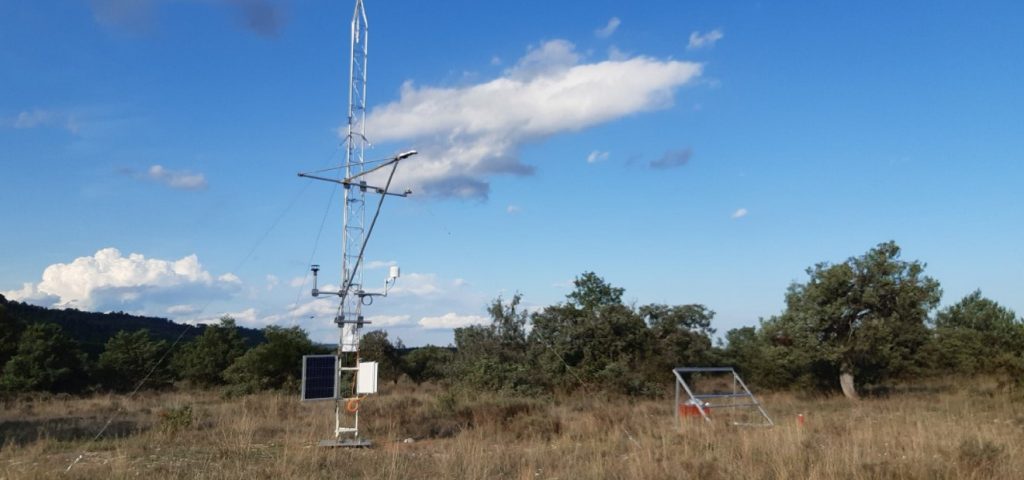
The RIFT project, part of the FairCarboN program, aims to strengthen infrastructure for monitoring greenhouse gas (GHG) fluxes at the soil-vegetation-atmosphere (SVA) interface using flux towers. These towers are essential for assessing carbon fluxes in agroecosystems. RIFT encompasses measurements of surface fluxes (energy, water, and carbon), related observations, and studies on the variables that drive these fluxes. The network includes a dozen Mediterranean and tropical sites, involving a diverse range of specialists. Measurements will continue over a five-year period, with a focus on training and fostering the autonomy of local partners, while also incorporating ecohydrological modeling and remote sensing.
PMTfocus Project
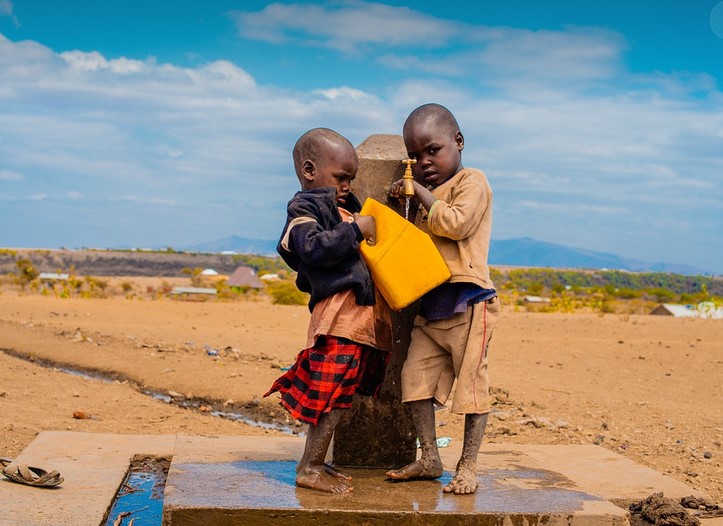
The PMTfocus project, funded by the ExposUM Institute, investigates persistent, mobile, and toxic (PMT) substances in water—from the source to drinking water—and their transfer to humans. In collaboration with Isabella Anessi-Maesano (Inserm, University Hospital), the team will analyze urine samples to measure internal exposure to PMT substances. The project will cover various sites across France, Spain, Algeria, Tunisia, and Bolivia, with the aim of characterizing the chemical exposome along a gradient of anthropogenic pressure on water resources. Eleonore Resongles (PEnSTer) will be particularly involved during her time working in Bolivia.
WATERISK Project
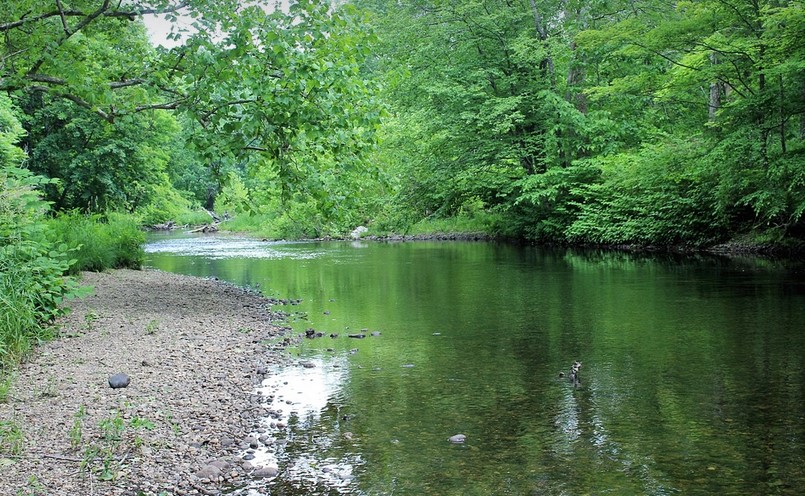
The WATERISK project, led by E. Jumas Bilak and S. Bedhomme, employs a "One Health" approach to assess the impact of aquatic environments on antimicrobial resistance—specifically regarding carbapenemases. A collection of bacteria will be studied, comparing their genomic and phenotypic characteristics to develop a predictive score for evolutionary success. The PMTfocus project, funded by the ExposUM Institute, investigates persistent, mobile, and toxic (PMT) substances in water—tracing them from their sources to drinking water—while also analyzing urine samples to measure human exposure. This project spans several sites across France, Spain, Algeria, Tunisia, and Bolivia.